
Demystifying Electrical Wiring: A Beginner's Guide to How It Works in Your Home
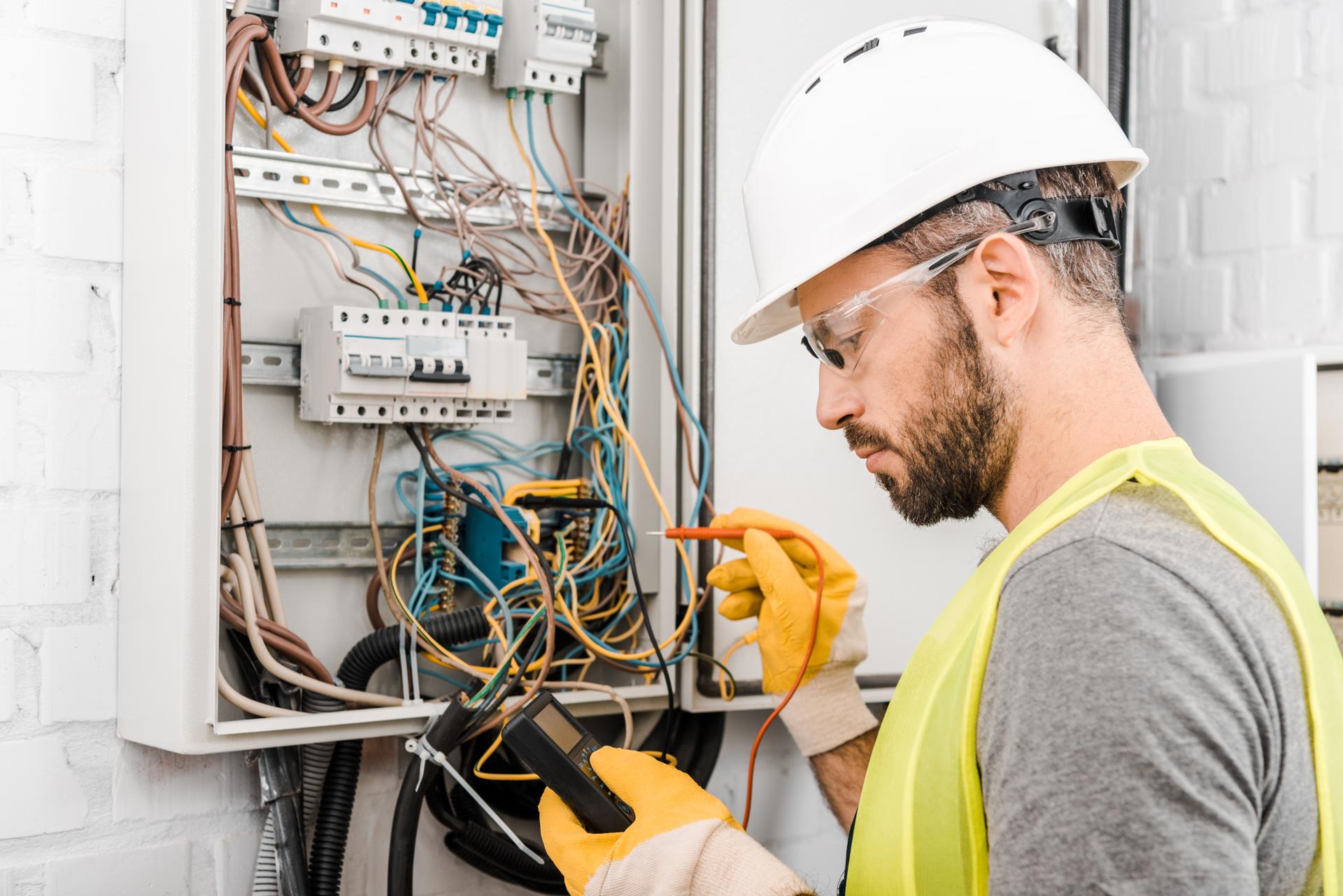
Electricity is an integral part of our everyday lives, supplying everything from the lighting in our homes to the appliances we use every day. However, electric systems may be a bit complicated, knowing how they function can be challenging. In this article, we’ll break down the elements in an electrical circuit, and describe how circuits function to power devices and appliances. Our residential electricians can handle any electrical jobs you need.
The components of an electrical system
An electrical system has several key components that work together to supply power to a home. These include:
Breaker box is the central distribution point for electrical energy in a house that is where electricity is divided into several circuits
Switches and outlets: points where electricity is delivered to appliances and devices
Wiring: the wires that carry electric current from the box to outlets and switches
Electric appliances, devices and equipment: appliances and gadgets that rely on electricity to function.
Electrical Circuits
The term "electrical circuit" refers to one which allows electricity to flow from the main source (the breakers box) to the appliances and devices in a home. There are two types of electrical circuits found in a home that are 120-volt and circuits with 240-volt voltage. 120-volt circuits are used for most household devices and appliances, while the 240-volt circuits are designed to power larger appliances, such as air conditioners and electric dryers.
Electrical circuits function by creating the loop which allows electricity to flow from the source into the device or appliance. The loop is made up of a hot wire which carries the electricity along with a neutral wire that completes the circuit, and the ground wire which provides a path for electricity to travel to the ground in the event the fault occurs.
Understanding the electrical Wiring
Electrical wiring comes in several different kinds, including non-metallic sheathed wire (NM) as well as armored cables (AC), and conduit. Each kind comes with its own pros and drawbacks, and the choice of the type of wiring is based on the specific needs for the particular installation.
Electricity travels through wiring through a flow of electrons in the wire. The electrons flow between the origin and the device or appliance and then back to the source through the neutral wire. It’s essential to ensure that the wiring is installed and maintained properly, since faulty wiring can lead to electrical hazards like shocks and fires.
Common Electrical Problems
The most frequent electrical problems found that homeowners face include tripping the breakers, flickering lights and dead outlets. The causes of these issues could be due to a variety of reasons, including overloading circuits, loose connections, and faulty wiring.
If you’re experiencing one of these problems, it is essential to determine the source and take action to fix the problem. In certain instances it may be necessary to contact an accredited electrician to examine and fix the wiring.
Final Conclusion, as well as a Call to Action
Understanding how electrical wiring operates is vital to ensure the security and reliability of your home’s electrical system. By following the guidelines outlined in this article to stay secure and avoid potential dangers.
In case you’ve got any concerns or questions regarding your home’s electrical system, don’t hesitate to contact Local Electrician Inner West. Our electricians are licensed and has the expertise and experience to handle all your electrical needs. Contact us at 1300 610 481 to schedule a consultation.
FAQ
What are the signs of faulty electrical wiring?
Signs of faulty electrical wiring could include tripping breakers flickering lights, or dead outlets, among others.
How often should I schedule the electrical system of my house checked?
It’s recommended that you get your home’s electrical system checked by a licensed electrician at least every 10 years.
What is the life expectancy of electrical wiring?
The life expectancy of electrical wiring depends on a variety of factors, including the type of wiring used, the environment it’s installed in, as well as the quality of the installation. In general, most electrical wiring will last for at least 30-years or longer, with the proper installation and maintenance.
Do I need to fix electrical issues by myself or should I employ an electrician?
While some electrical problems are fixable by homeowners, it is advised to hire an authorized electrician to complete most electrical repairs. If you attempt to fix electrical issues without the proper education and expertise is risky and could cause damage or injury the property.
What do I do if have an electrical issue at home?
In the event of an electrical problem, the first step is to shut off power to the area affected by turning off the breaker or the fuse. Then, contact a licensed electrician to examine and fix the issue as soon as is possible.
By following these guidelines, you can ensure the security and reliability of your home’s electrical system and prevent possible dangers. Remember, when it comes to electrical repairs or installations, it’s recommended to rely on the professionals. Call Local Electrician Inner West at 1300 610 481 to discuss all of your electrical requirements.